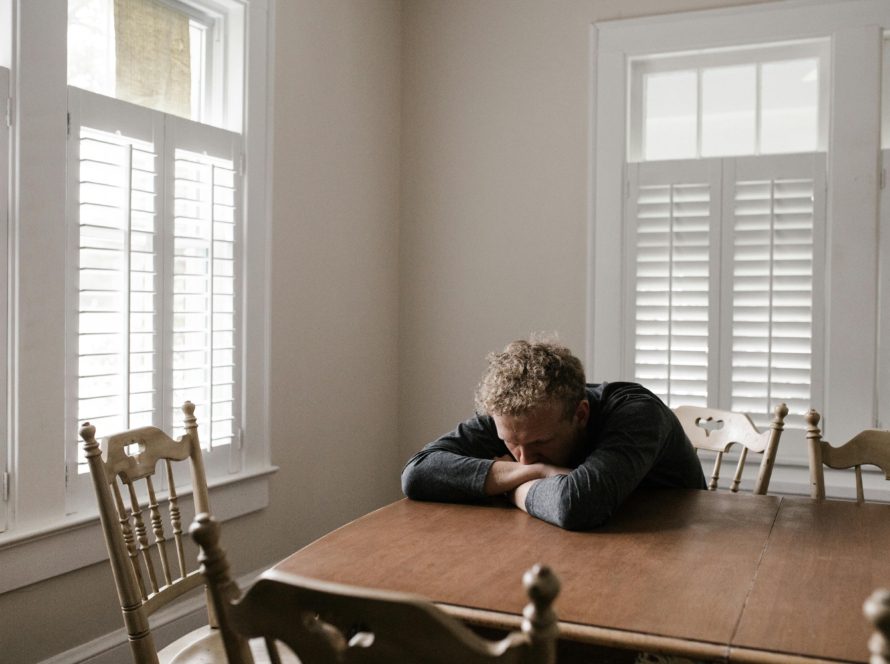


WWhen we say trauma lives in the body, we’re describing how the nervous system and brain hold onto overwhelming experiences long after the danger has passed.
Traumatic memory is not stored like ordinary memory. It often lives in the right side of the hippocampus — the part of the brain that holds sensory and emotional information — without being fully connected to the left side, which organizes logic, time, and context. This is why trauma can feel like it’s “happening now,” even years later.
But trauma doesn’t just stay in the brain — it shows up in the body. Tightness in the chest, a lump in the throat, a clenched jaw, or chronic pain can all be ways the body holds emotional energy that never got the chance to move through.
Releasing Trauma Through the Body
Most of us were never taught how to safely feel and release emotions like grief, anger, or fear. In therapy, we gently practice allowing, trust, and surrender — letting the body express what it has been holding. Through breathwork, mindful movement, and emotional awareness, we can safely release stuck energy.
Therapy provides a safe space to feel, so that you can eventually carry that safety within yourself — learning that your emotions won’t break you, and that they can move through you.
Your therapist will create a trusting and safe place for you in the therapy room. In this safe space you may finally feel able to start expressing emotions and experiences that have been “stuck” in your body for years, affecting your daily life in more ways than you realized.
Healing happens when in this safe place, where we no longer have to continue to fear fully allowing our emotions to be and to flow. Movement is one powerful way to allow our emotions to flow out of us.